

Why Switch to Alternatives for Better Engagement Results: A Practical Guide to Engagement Strategy Alternatives
Switching to alternatives reshapes how audiences interact with your content and products by offering clearer value, convenience, and context-driven experiences that traditional tactics often miss. This guide explains what we mean by “alternatives” in engagement strategy, why they change behavior, and how they deliver measurable gains in retention, conversions, and sentiment. You will learn practical categories of alternatives, which specific engagement metrics typically move, and an implementation roadmap using a hub-and-spoke model called “Modern Home Solutions.” Along the way we include tactical lists, comparison tables, and short real-world examples that are easy to test and measure. The article targets best practices for increasing engagement on alternatives, energy-efficient home solutions, and how to increase engagement with alternatives for Pakistani households and e-commerce contexts.
What counts as ‘alternatives’ for boosting engagement?
An “alternative” is a substitute approach or product that solves the same user problem as a legacy option but changes the experience through better convenience, lower operating cost, or clearer perceived value. Alternatives work by altering one or more drivers of behavior—cost, accessibility, personalization, or durability—so users find the new choice more relevant and easier to adopt. The primary benefit is higher engagement: more repeat use, longer time on page, and stronger referral intent. Below we group practical categories of alternatives that map directly to audience needs and measurement strategies.
The following list outlines the main categories and what each category typically delivers:
- Energy-efficient appliances that reduce operating cost and increase long-term value for households.
- Rechargeable and portable devices that improve availability during outages and boost convenience.
- Product-service combos and multi-channel purchasing options that remove friction and build loyalty.
These categories highlight where to test changes in messaging and placement, and they lead naturally into how alternatives differ from traditional tactics.
How alternatives differ from traditional engagement tactics
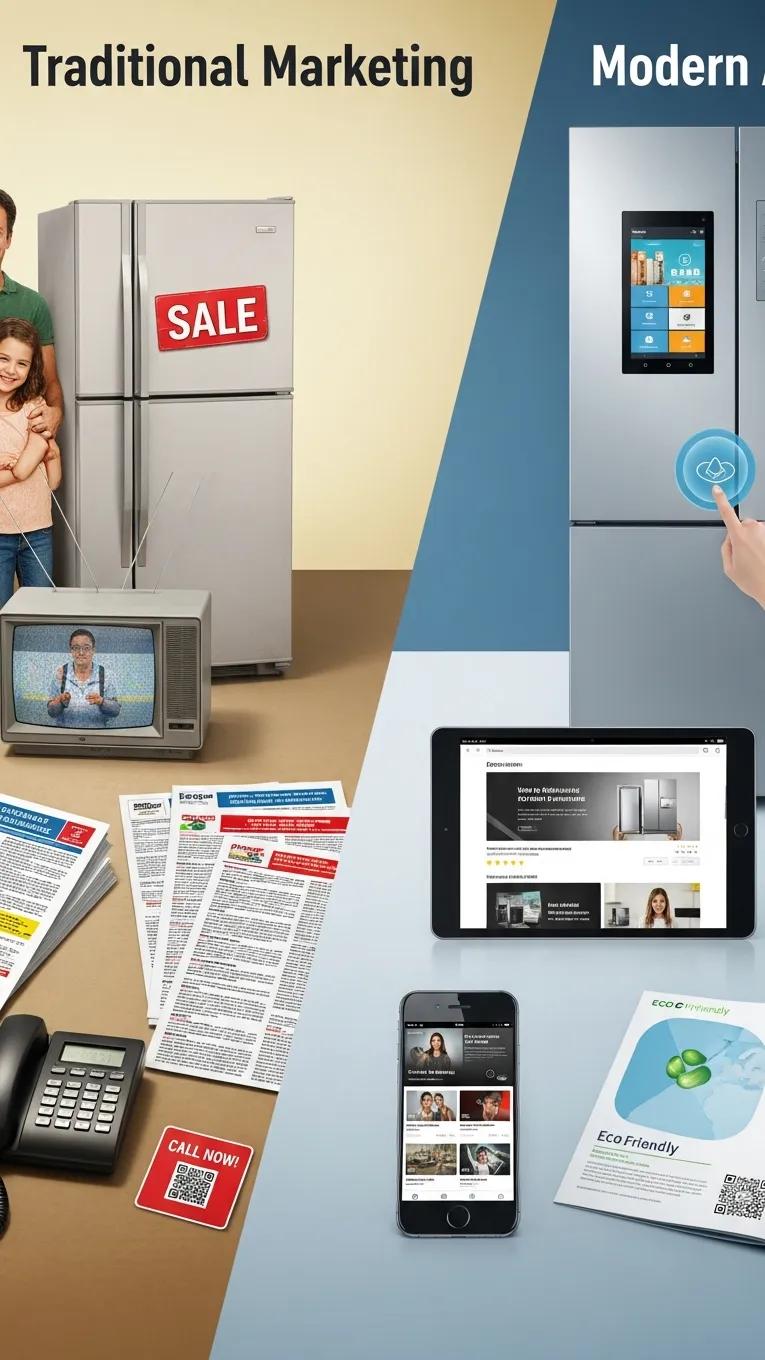
Alternatives differ from traditional tactics by shifting the focus from one-time acquisition to ongoing utility and context-aware value. Traditional tactics often emphasize price promotions or mass messaging, while alternatives emphasize outcomes—lower bills, portability, or consistent performance—which align with everyday household needs. Mechanisms include personalization, bundling with complementary items, and embedding measurable savings into product descriptions to change perceived ROI. Because alternatives connect to ongoing benefits, they tend to generate more repeat behavior and positive reviews, which in turn amplify organic engagement.
This behavioral shift explains which engagement metrics typically improve when alternatives are adopted.
Which engagement metrics improve with alternatives
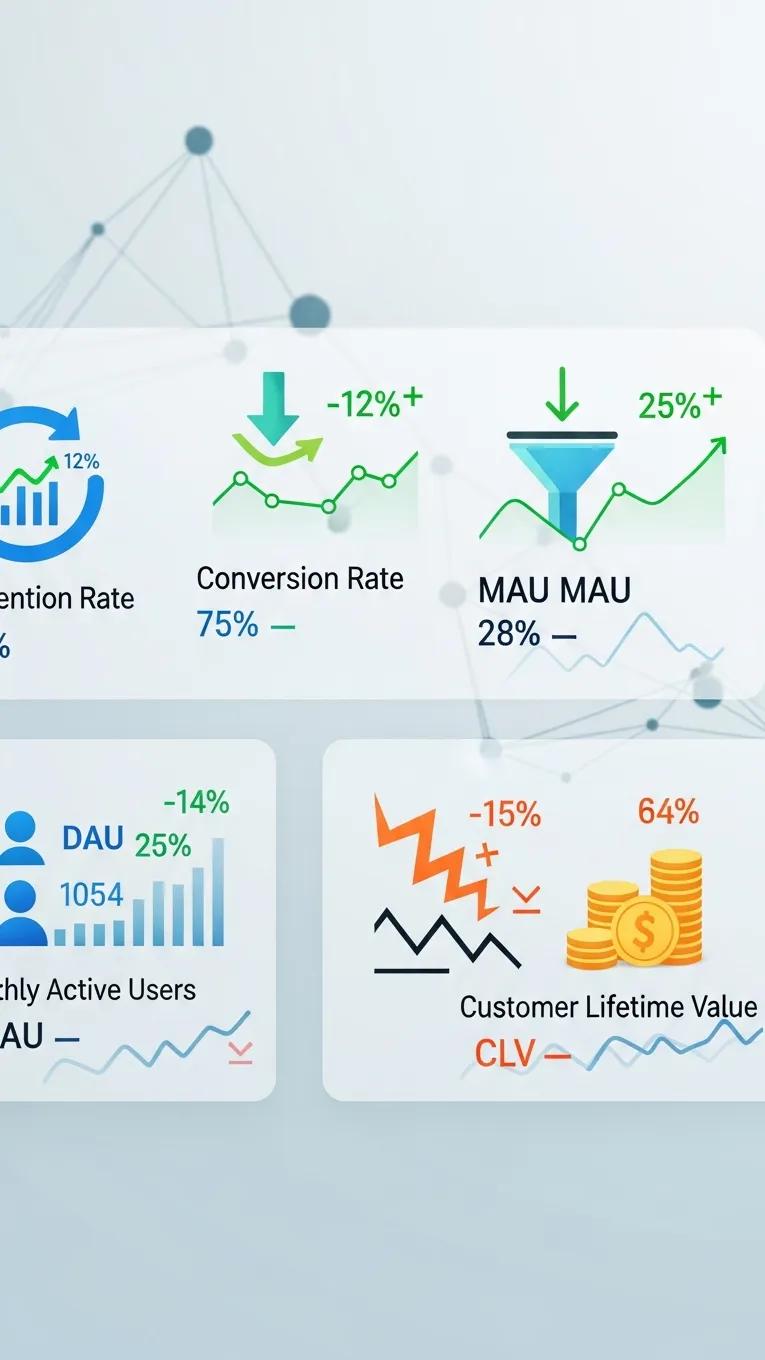
Alternatives reliably move metrics that reflect sustained interest and satisfaction rather than single-touch conversions. Measurable improvements commonly include higher retention and repeat purchases because users experience ongoing benefits, increased time on product pages as customers evaluate long-term value, and stronger review sentiment driven by reliability or savings. Conversion rates also improve when value propositions explicitly quantify benefits such as energy savings or portability. Tracking these metrics requires clear attribution—UTMs, on-site funnels, and review aggregation—so short-term wins can be validated and scaled.
These metric improvements set the stage to evaluate which specific alternatives deliver the most impact for your audience.
Which engagement alternatives deliver the most impact for audiences?
Top-performing alternatives prioritize immediate, measurable value and broad accessibility: personalization, multi-channel availability, and energy or cost savings. For household audiences, alternatives that cut operating costs or remove pain points (power outages, pest problems, food preparation time) deliver the strongest engagement lifts. Prioritizing alternatives that are easy to compare and adopt increases trial and reduces friction in decision-making. The following ranked list pinpoints what to test first for maximal ROI.
- Personalization and contextual recommendations that match product features to household pain points.
- Energy-efficient and rechargeable products that reduce operating costs and increase perceived durability.
- Multi-channel availability with clear purchase and return policies that lower purchase friction.
These priorities are especially relevant in home solutions contexts where cost-of-use and convenience directly influence loyalty and referral behavior. Below is a compact comparison to illustrate common alternatives and their benefits.
This table clarifies trade-offs when choosing which alternatives to promote first.
For concrete retail examples, consider how a regional e-commerce brand frames alternatives in product pages. Sogo Home Store interprets “alternatives” in practical home terms: they focus on energy-efficient and modern home appliance alternatives such as rechargeable products, solar items, and LED products as tangible solutions that improve customer engagement and satisfaction. Sogo Home Store is an e-commerce platform operating under the name sogohomestore.pk and offers a product range including fans, heaters, pest killers, juicers, blenders, LED products, and solar items. Their value propositions—100 percent genuine products, safe and easy payment options (including cash on delivery), a 3-day money-back/exchange policy, and dedicated 12/7 online help support—act as trust signals that reduce purchase friction and accelerate trials.
Research further supports that strategic digital marketing efforts are crucial for boosting customer engagement and fostering brand loyalty on e-commerce platforms.
Digital Marketing Strategies for E-commerce Engagement
This study examines the role of digital marketing strategies in enhancing customer engagement and brand loyalty on e-commerce platforms, emphasizing the mediating effects of trust and perceived value. Using survey data from 400 e-commerce users, the results reveal that personalized, relevant, and frequent marketing efforts significantly enhance customer engagement, which in turn drives brand loyalty.
The role of digital marketing strategies in enhancing customer engagement and brand loyalty: a study of e-commerce platforms, MA Wahyudi, 2024
These examples show how product categories map to prioritized alternatives and why they move engagement metrics faster.
Personalization, multi-channel reach, and clear value
Personalization converts awareness into meaningful engagement by matching alternatives to individual household constraints—budget, electricity reliability, and space. Multi-channel reach ensures customers can discover and buy via the channel they trust; for many Pakistani consumers this includes online browsing combined with cash-on-delivery and straightforward return policies.
Beyond traditional e-commerce channels, the landscape of digital engagement also includes various social platforms where communities interact and share information. These platforms represent another form of ‘alternative’ for reaching and engaging specific audiences, offering unique avenues for content distribution and community building. For instance, platforms like Truth Social provide distinct spaces for user interaction and content sharing, expanding the definition of multi-channel engagement.
Clear, quantified value statements (e.g., “saves X% on electricity” or “portable backup for outages”) shorten decision cycles and improve conversion. Measurement tips include A/B testing copy that quantifies benefits, tracking assisted conversions from assisted channels, and monitoring repeat-purchase rates after personalization is introduced.
Concrete tactics translate into content and linking strategies, which is the focus of the next section.
Real-world examples of effective alternatives in home solutions
Real-world alternatives include rechargeable fans that stay useful during outages and solar-powered devices that cut monthly bills; both solve immediate household pain. For kitchen workflows, modern juicers and blenders positioned as time-saving appliances become engagement drivers when paired with recipes and how-to content. LED products reduce replacement friction and provide a measurable cost-of-ownership story. When these product stories are framed as solution-focused content, users spend more time on pages, convert more often, and return for complementary purchases.
This comparison helps prioritize which product narratives to build into a hub-and-spoke content model next.
How can you implement engagement alternatives using a hub-and-spoke model?
A hub-and-spoke model centralizes the core topic—”Modern Home Solutions”—and uses focused spokes to explore energy-saving clusters, rechargeable alternatives, and kitchen convenience. The hub should be long-form, authoritative, and entity-rich, while spokes are targeted pages that dive into specific alternatives and link back to the hub. Mechanically, use entity-rich anchor text, schema (Product, Article, FAQ), and cross-linking patterns that push topical authority from the hub to spokes. Begin with keyword clusters matching user intent around “energy-efficient home solutions” and “rechargeable fans Pakistan” to capture both research and purchase queries.
This architecture ties content to clear product outcomes and simplifies measurement and scaling.
Building a central hub like Modern Home Solutions with energy-saving clusters
Build the hub as a detailed guide that defines problems (high bills, frequent outages) and catalogs alternative solutions with clear benefits. Each cluster page should target a single intent—buy, compare, or learn—and be 800–1,500 words with how-to content, FAQs, and product comparisons. Maintain consistent entity references (for example, “solar panel” as part of solar items and “battery” as part of rechargeable products) to strengthen semantic connections. Cadence and internal linking should ensure each new spoke links to at least two other spokes and the hub, accelerating crawl and relevance signals.
These content patterns prepare the site to link product pages effectively, which is covered next.
Linking content to products to maximize engagement
Tactical linking uses descriptive anchor text—e.g., “rechargeable fans for outages” or “solar home solutions Pakistan”—to send clear signals to users and search engines. Product pages should include Product schema, high-quality images with ALT text, and concise value bullets that reference operational savings. A simple checklist for product pages: include clear benefit statements, simple return and payment info, and at least two contextual links back to relevant spokes. These practices reduce bounce, increase add-to-cart rates, and improve the likelihood of appearing for entity-rich queries.
Linking content and product pages this way makes it easier to observe outcomes, which we cover next.
What outcomes and signals show success after switching to alternatives?
Success after switching to alternatives shows up in engagement and business KPIs: higher retention, improved conversion rate, increased average order value, more positive reviews, and longer time-on-page for solution content. Short-term wins to watch include improved product page CTR, growth in assisted conversions from content pages, and a rise in repeat purchases within 30–90 days. Use tools like Google Search Console and analytics platforms to capture changes in impressions, clicks, and conversion funnels; schema validator tools help confirm structured data is being read correctly.
Below is a concise list of priority KPIs to monitor after implementation.
- Retention and repeat purchase rate, measured monthly as a percentage lift.
- Conversion rate on product pages after value-quantified copy updates.
- Review sentiment and volume, tracked via on-site aggregation and off-site references.
These metrics give a clear picture of whether alternatives drive ongoing customer value rather than one-time transactions.
Key engagement metrics and quick wins to monitor
Prioritize short-term signals that indicate adoption: product page CTR increases, reduction in bounce on hub pages, and higher time-on-page for spoke articles that promote alternatives. Expect initial changes in CTR and review volume within 1–3 months if messaging and linking are consistent. Validate attribution with UTM tags on content-to-product links and monitor funnel drop-offs to identify friction points. Regularly surface top-performing spokes and iterate on anchor text and CTAs to amplify success.
Monitoring these signals allows you to iterate quickly and reallocate resources to the most effective alternatives.
Short-term case scenario for appliance-focused content
Imagine a household that adopts a solar item and a rechargeable fan after reading clustered content; within three months they may report a noticeable reduction in nightly generator use and fewer complaints about outages. For example, a hypothetical household could see a 10–20% reduction in monthly electricity-related costs when a solar item replaces high-draw devices, while rechargeable fans reduce emergency purchases and increase satisfaction. Attribute change by tracking referral paths, UTM-tagged content links, and repeat purchase patterns tied to spoke content promotion.
This scenario illustrates how content-driven alternatives convert into measurable household outcomes and improved engagement metrics.